Making sense of ingredient labels
Cosmetic ingredient lists look intimidating because they use standardized Latin and chemical names, not because the contents are mysterious. Once you know how formulas are structured, you can spot duplicate products before buying them.
How the INCI list is organized
Under EU Regulation (EC) No 1223/2009 and equivalent international standards, every personal-care product must print an International Nomenclature of Cosmetic Ingredients (INCI) list on its packaging. This system exists so a dermatologist or consumer in Oslo, Berlin, or Toronto can identify the exact same substance regardless of the language on the front of the box.
When reading any INCI panel, keep three structural rules in mind:
-
1
The top five to seven names form the vehicle. Roughly 80% to 90% of a typical lotion or cleanser consists of its first handful of ingredients—usually water, a primary humectant like glycerin, an emollient ester, and an emulsifier.
-
2
The one-percent line changes the order rule. Ingredients present at concentrations above 1% must be listed strictly in descending order by weight. Anything at or below 1% can be listed in any order after that point.
-
3
Preservatives and pH adjusters anchor the bottom. Phenoxyethanol, sodium benzoate, potassium sorbate, and citric acid typically sit near the end of the list below 1%. They keep water-based products safe from mold and bacterial contamination.
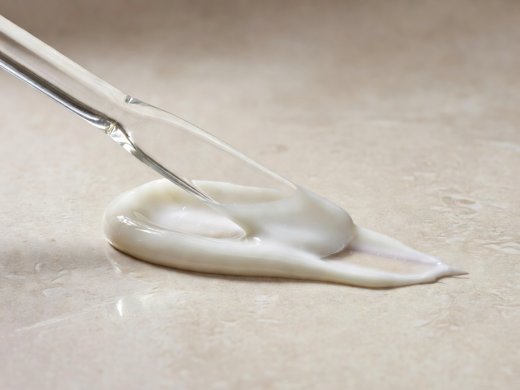
A well-formulated basic cream rarely needs more than 12 to 18 thoughtfully chosen ingredients.
Everyday ingredients with reliable evidence
Regional oils and extracts: what they actually do
Why "free-from" marketing can be misleading
Many labels advertise long lists of things a product does not contain—such as "free from silicones, mineral oil, sulfates, and preservatives." While avoiding specific allergens you have tested positive for (like fragrance mix or methylisothiazolinone) is essential, blanket fear of standard cosmetic ingredients often pushes shoppers toward less stable alternatives.
For example, pharmaceutical-grade petrolatum and mineral oil (Paraffinum Liquidum) are among the most inert, non-sensitizing occlusives used in Nordic eczema care. Similarly, dimethicone gives moisturizers slip and protects chapped hands from wet work without clogging pores. Rather than judging an ingredient as "synthetic" or "natural," ask whether the overall formula is stable, appropriately preserved, and suited to your skin's current condition.
Reference guide: Concentration vs. skin comfort
| Ingredient (INCI Name) | Primary Function | Sensible Effective Range | Note on Higher Concentrations |
|---|---|---|---|
| Glycerin | Humectant hydration | 3% – 15% | Above 20% can feel slightly tacky in humid weather unless paired with light esters. |
| Niacinamide | Barrier & tone support | 2% – 5% | 10% to 20% serums offer no proven added benefit and frequently trigger warmth or redness. |
| Salicylic Acid | Oil-soluble pore exfoliation | 0.5% – 2% | Leave-on cosmetic limit in the EU is 2%; daily overuse can dry out surrounding skin. |
| Lactic Acid | Gentle surface AHA & humectant | 2% – 8% | Lower levels hydrate; higher levels require careful pH control and daytime sun protection. |
| Tocopherol (Vitamin E) | Antioxidant & oil stabilizer | 0.1% – 1% | Protects plant oils in the bottle from rancidity as well as supporting surface lipids. |